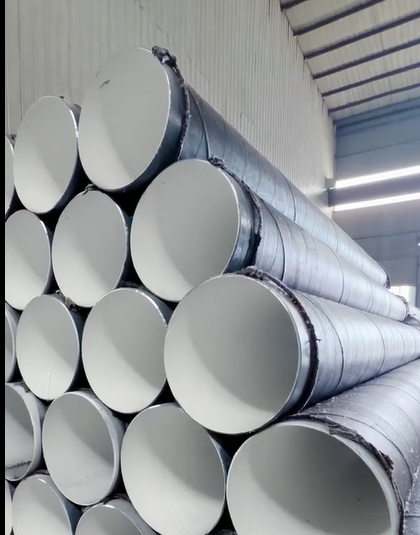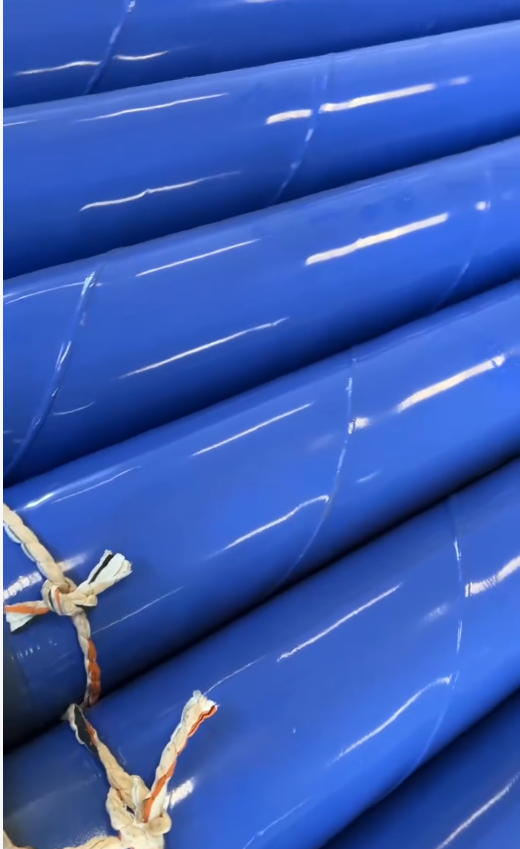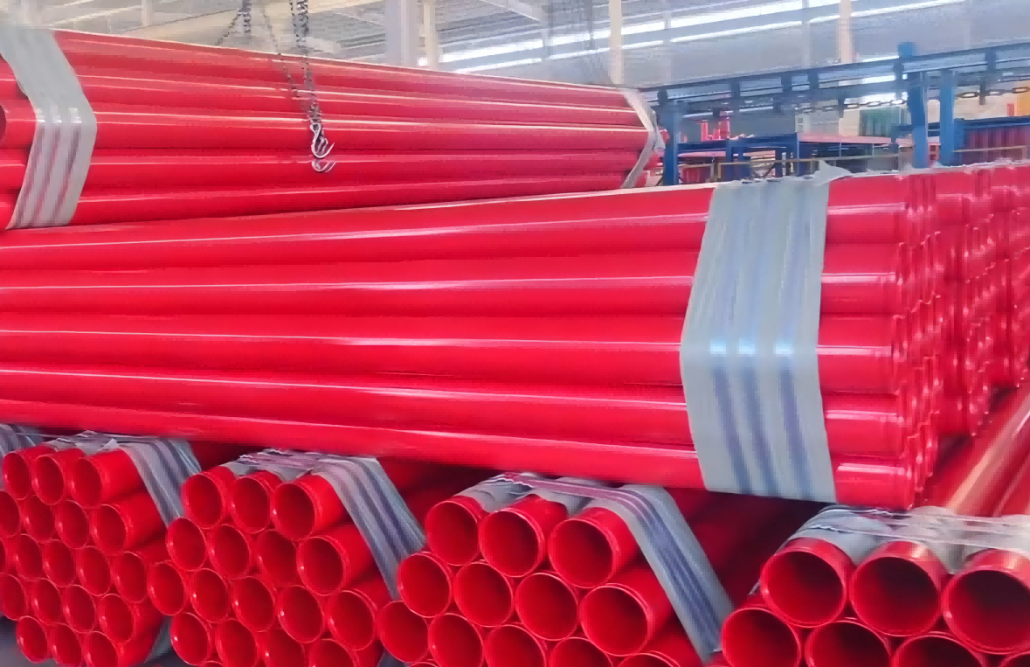
Construction Technology Of Coal‑Tar Epoxy Anticorrosive Steel Pipe

Applicable Industry Standard: SY/T 0447‑2014 Technical Standard for Epoxy Coal‑tar Anticorrosive Coating of Buried Steel Pipelines
The whole process consists of five stages: Factory Pre‑fabrication of Anticorrosive Coating → Hoisting & Welding of Pipes → Field Joint Coating & Repair of Damages → Pipe Lowering and Backfilling in Trench → Completion Acceptance

Construction Environmental Requirements

Construction temperature: 5‑40℃; Low‑temperature curing coating shall be adopted when ambient temperature is below 5℃.

Air humidity: Relative humidity ≤ 85%; The steel pipe surface temperature shall be 3℃ higher than the dew‑point temperature.

Open‑air anticorrosion work is forbidden in rainy, snowy, foggy weather or when wind force reaches Grade 5 or above.

Procedures for Factory Pre‑fabrication of Outer‑wall Anticorrosive Coating

Steel Pipe Surface Derusting (Quality Control Point)

Derusting grade by sandblasting / shot blasting: Sa 2.5, anchor profile depth: 40‑70 μm.

Remove rust, mill scale and oil contamination; Grind weld beads and burrs smoothly. Where weld reinforcement>2 mm, putty shall be applied for smooth transition afterwards.

The primer shall be applied within 8 hours after derusting to prevent rerusting of steel pipe.

Leave bare sections of 150‑250 mm at both pipe ends without anticorrosive coating for field welding.

Coating Mixing

Coal‑tar epoxy paint is a two‑component material (primer, topcoat + curing agent)

Mix base material and curing agent thoroughly in the ratio specified by the manufacturer.

Stand and age for 10‑30 minutes.

The maximum dosage of thinner shall not exceed 5 %; No thinner is allowed for solvent‑free coatings.

Mixed paint shall be consumed within its pot life; discard expired cured paint.

Painting and Fiberglass Winding (Three Anticorrosion Grades)

Use dewaxed medium‑alkali fiberglass cloth.

Ordinary grade (no cloth): Primer → Topcoat → Topcoat → Topcoat, minimum thickness ≥400 μm, spark test voltage 15 kV

Reinforced grade (one‑cloth‑two‑coat): Primer → Topcoat → Wind fiberglass cloth → Topcoat → Topcoat, minimum thickness ≥600 μm, spark test voltage 15 kV

Extra‑reinforced grade (two‑cloth‑three‑coat, most commonly adopted in municipal engineering): Primer → Topcoat → Wind cloth → Topcoat → Wind the second layer of cloth → Topcoat, minimum thickness ≥700 μm, spark test voltage 20 kV

Technical Parameters for Cloth Winding

Stretch fiberglass cloth tightly, free of wrinkles and hollow blisters.

Circumferential overlap width: 20‑30 mm; Longitudinal overlap: 100‑150 mm.

Fiberglass mesh shall be fully saturated with topcoat, no dry yarn is permitted.

Curing and Maintenance

Natural curing at ambient temperature, fully cured in 7 days. Protect coating from rain, collision and direct sunlight during curing (Asphalt layer will crack and pulverize under ultraviolet radiation).

Factory Inspection

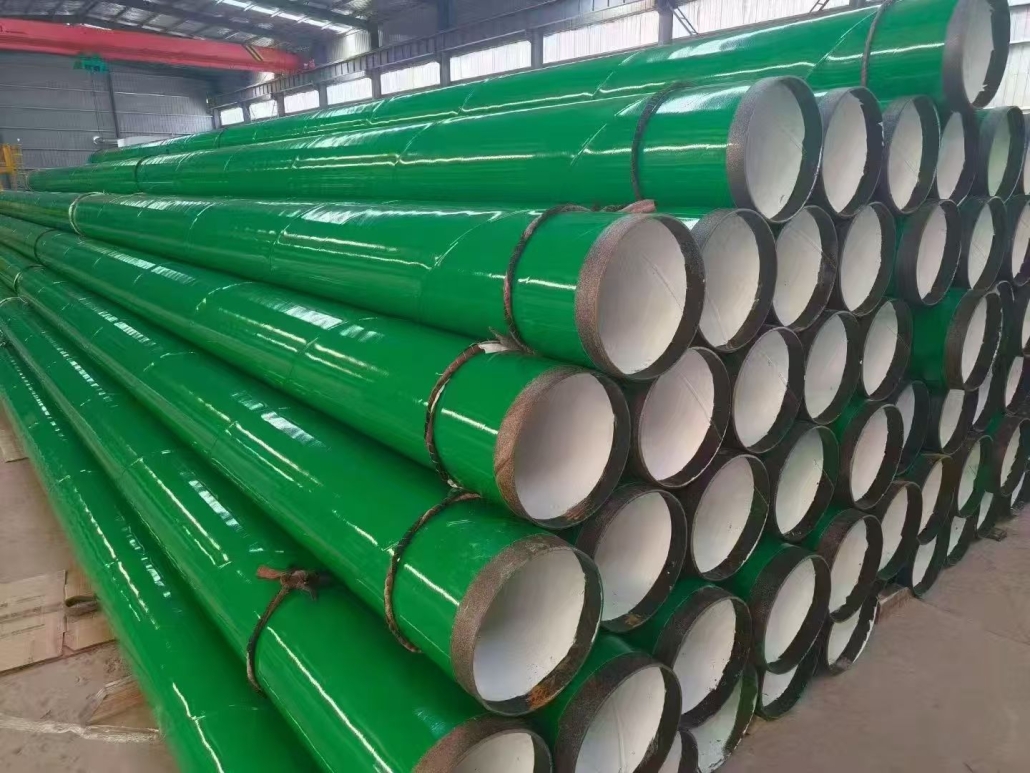
100 % visual inspection: Smooth and glossy black coating, free of bubbles, hollowing, sagging and holidays.

Measure dry‑film thickness with magnetic thickness gauge.

Holiday detection by spark tester (mandatory), no pin‑hole defects.

Sampling cross‑cut adhesion test with qualified result.

Field Welding and Installation of Steel Pipes

Pipe hoisting and transportation: Use soft slings; Steel wire ropes shall not scratch anticorrosive coating directly.

Butt‑weld the pipes and complete weld inspection. Do not carry out joint anticorrosion work until welds cool down fully to ambient temperature.

Field Joint Coating & Damage Repair (High‑frequency Defect‑prone Positions on Site)

Weld‑joint Coating

Anticorrosion structure and grade shall be identical to that of pipe body.

Derusting: Sandblasting to Sa 2.5 is preferred; Manual derusting to minimum St 3 when site condition is restricted.

Roughen the end of original anticorrosive coating by sandpaper; The overlap between new and old coating ≥100 mm, finished in stepped lap shape.

Construction sequence is exactly the same as factory prefabrication: Primer → Topcoat → Fiberglass cloth → Topcoat …

Spark holiday test is required after joint coating completion.

Repair of Damaged Anticorrosive Coating

Where steel substrate is exposed at damaged spot: Grind for derusting → Apply primer → Restore original coating layers with cloth and topcoat.
Where only surface coating is damaged without exposed steel: Polish old coating surface → Patch topcoat, overlap width ≥100 mm.

Pipe Lowering and Backfilling Construction

Lower the pipe into trench only after coating is surface‑dry. Dragging pipes is forbidden to avoid coating damage.

Lay 200 mm fine loose soil at trench bottom; No stone or sharp hard objects are allowed inside the trench.

Backfill fine soft soil within 300 mm above the pipe crown. Crushed stone and bricks shall not contact the pipe directly; Original soil backfilling can be implemented afterwards.

Completion Acceptance Items

100 % visual inspection for anticorrosive coating appearance.

Sampling inspection on dry‑film thickness of anticorrosive layer.

Full‑line spark holiday detection (core acceptance item).

Sampling adhesion test.

As‑built documents: Factory certificate, inspection reports, field joint‑coating construction records.

Common Construction Quality Defects & Prevention Measures

Unsaturated fiberglass cloth → Hollow blister & delamination: Apply topcoat immediately after cloth winding; No dry cloth allowed.

Rerusting after long‑time exposure post‑derusting: Apply primer within 8 hours after derusting.

Insufficient overlap width at repaired joints: Maintain overlap ≥100 mm.

Rainfall and sunlight exposure before full curing: Provide covering protection during construction.

Reduced cloth layers and insufficient coating thickness: Adopt dual control measures: spark holiday test + dry‑film thickness measurement.
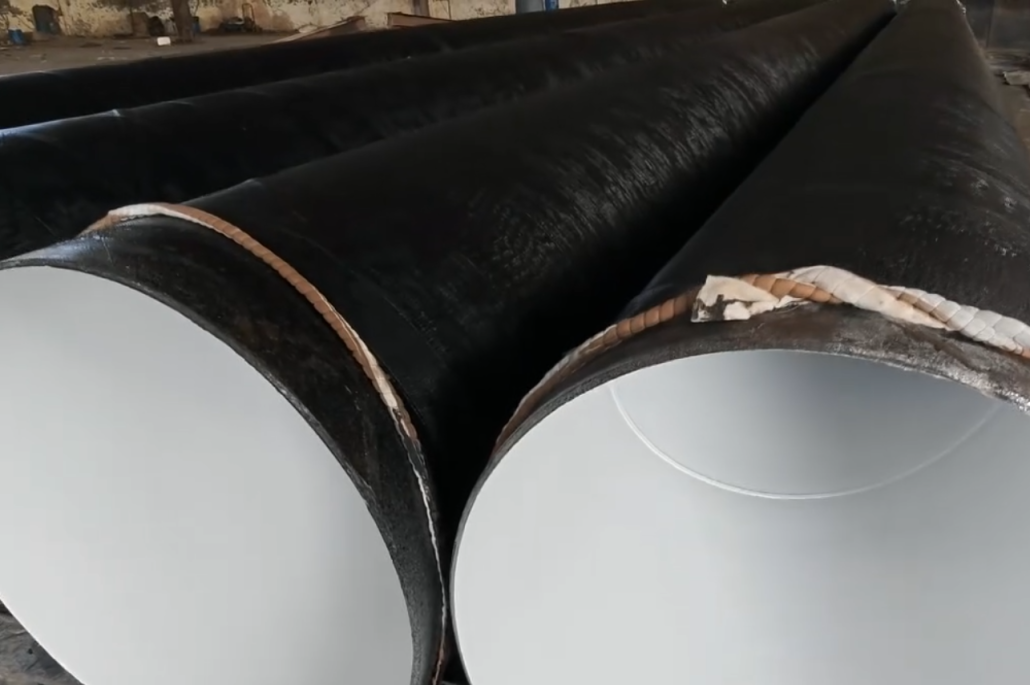
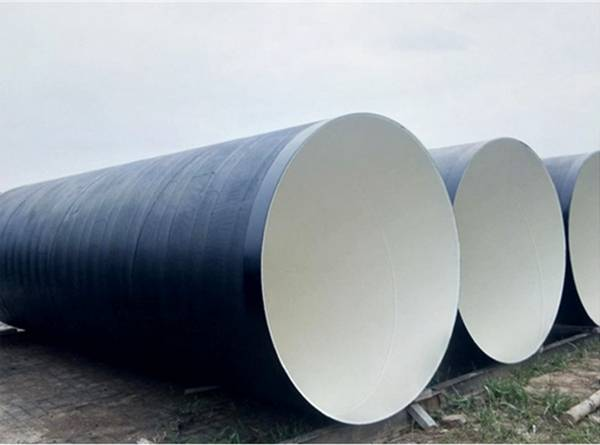
Applicable Temperature Range Of Coal-Tar Epoxy Anticorrosive Steel Pipe

In accordance with SY/T 0447‑2014 Technical Standard for Epoxy Coal‑Tar Coating of Buried Steel Pipelines, combined with coating material mechanism, on‑site engineering practice and long‑term ageing law of anti‑corrosion coating, the applicable temperature range of coal‑tar epoxy anticorrosive steel pipe is defined precisely from four dimensions: long‑term operating temperature of conveyed medium, transient peak temperature, low‑temperature resistance of ambient environment and construction ambient temperature. These four indicators shall not be confused.

First comes the long‑term operating temperature of medium conveyed inside the pipeline. The coal‑tar epoxy anti‑corrosion coating belongs to the epoxy‑modified coal‑tar pitch system. Its physical properties are significantly affected by temperature. The pitch component tends to soften and creep under high‑temperature conditions, and the adhesive force of cross‑linked resin structure decays. The standard clearly specifies that the temperature of medium conveyed for coal‑tar epoxy coating shall not exceed 80 °C. Nevertheless, this value represents the maximum limit specified in the standard, rather than the recommended temperature for long‑term operation. From the perspective of anti‑corrosion durability, the long‑term continuous conveying medium temperature of the pipeline shall be controlled within the range of ‑30 °C to 70 °C. When the medium operates persistently between 70 °C and 80 °C, the anti‑corrosion coating will age rapidly, accompanied by softening, blistering and delamination of paint film. The bonding strength between glass‑fiber cloth and coating declines, and the anti‑corrosion insulation performance degrades, raising the corrosion risk of steel pipe. Therefore, the temperature range of 70‑80 °C can only serve as an emergency working condition for an extremely short period and must not be adopted for year‑round operation.

The second parameter is transient peak temperature. Under infrequent and short‑duration working conditions, the coating can withstand a short‑term maximum temperature of 80 °C. If the medium temperature quickly falls back below 70 °C after short‑time high‑temperature exposure, no permanent damage will occur to the coating. Repeated cyclic impact of 80 °C high temperature is strictly prohibited. Alternation between hot and cold will cause repeated expansion and contraction of the anti‑corrosion coating, resulting in fatigue cracks. Corrosive media and moisture may penetrate to the steel substrate along cracks and trigger coating failure.

Thirdly, the low‑temperature resistance performance. Fully cured qualified coal‑tar epoxy anti‑corrosion coating features excellent low‑temperature toughness. When buried underground, it can endure a minimum ambient soil temperature of ‑30 °C without easy cracking or peeling under frost heave in cold regions. This low‑temperature index refers to the finished coating’s tolerance to surrounding soil temperature after burial, instead of the permissible temperature for on‑site painting construction.

Finally, the ambient temperature for anti‑corrosion coating application. Coal‑tar epoxy paint is a two‑component chemically curable coating, and ambient temperature directly determines its curing reaction rate. The optimal construction temperature ranges from 10 °C to 35 °C for sufficient curing reaction and dense film formation. The minimum allowable construction ambient temperature is 5 °C. Below 5 °C, the curing reaction speed of epoxy resin drops sharply. The paint film remains uncured for a long time and is liable to absorb dust and moisture, which will lead to permanent defects in anti‑corrosion layer. Open‑air construction at low temperature is forbidden without heating and thermal‑insulation measures.

For engineering selection, pipelines conveying hot‑water or thermal media at a persistent temperature above 70 °C shall not adopt coal‑tar epoxy external anti‑corrosion. Alternative high‑temperature‑resistant anti‑corrosion systems such as 3‑layer polyethylene (3PE) or fusion‑bonded epoxy powder shall be selected to guarantee the designed service life of pipelines.

Classification of Coal Tar Epoxy Anti-Corrosion Steel Pipes

The anti-corrosion system complies with SY/T 0447-2014 Specification for Epoxy Coal Tar Anti-Corrosive Coating of Buried Steel Pipelines. Classification is mainly based on anti-corrosion structural grade, together with other grouping methods as below.

Classified by Anti-Corrosion Structure (Most Widely Adopted in Engineering)

Ordinary Grade: One Coat & One Cloth

Structure: 1 primer coat + 1 topcoat + 1 layer of glass fiber cloth + 1 topcoat
Minimum total dry film thickness: 0.3 mm
Application: Dry soil with mild corrosion, temporary pipelines, drainage branch pipelines

Reinforced Grade: Three Coats & Two Cloths (Market Mainstream)

Structure: Primer → Topcoat → Glass Fiber Cloth → Topcoat → Glass Fiber Cloth → Topcoat
Minimum total dry film thickness: 0.4 mm
Application: Buried steel pipelines under general soil conditions, sewage pipelines, rainwater pipelines

Extra Reinforced Grade: Five Coats & Three Cloths

Structure: Primer → Topcoat → Glass Fiber Cloth → Topcoat → Glass Fiber Cloth → Topcoat → Glass Fiber Cloth → Topcoat
Minimum total dry film thickness: 0.6 mm
Application: Humid soil, silt, saline-alkali land, areas with abundant groundwater and strong corrosiveness

Classified by Construction Mode

Factory Prefabricated Coal Tar Epoxy Anti-Corrosion Steel Pipe
Sand blasting and derusting, mechanized coating and winding completed in workshop. Stable quality, suitable for mass engineering orders.

On-site Manual Coating & Winding Anti-Corrosion
Construction implemented after pipeline laying, mainly used for weld joint repair and renovation projects. Quality fluctuates greatly due to manual operation.

Classified by Anti-Corrosion Position

Outer Wall Only Anti-Corrosion (Most Common Solution)
The outer wall is protected against soil corrosion while the inner wall remains untreated. Widely used for sewage, rainwater and oil transmission pipelines.

Inner & Outer Wall Coal Tar Epoxy Anti-Corrosion Steel Pipe
Both inner and outer surfaces are coated with coal tar epoxy paint.
Not allowed for drinking water pipelines (the coating contains toxic asphalt ingredients). Only applicable for sewage and industrial wastewater delivery.

Supplementary Technical Notes

Base pipe material: Seamless steel pipe, spiral welded pipe and straight seam welded pipe are all available for coal tar epoxy anti-corrosion treatment.

Limitations: The coating turns brittle under low temperature. Its service life under long-term immersion and high saline-alkali environment is shorter than 3PE coating. Usage is gradually restricted in regions with strict environmental regulations.

Applicable media: Sewage, rainwater, non-potable industrial water, buried oil pipelines. Not suitable for tap water supply pipelines.

Quick Selection Guide

Dry ordinary soil → Reinforced Grade (Three Coats & Two Cloths)

Silt, swamp, saline-alkali land → Extra Reinforced Grade (Five Coats & Three Cloths)

Temporary simple pipelines → Ordinary Grade (One Coat & One Cloth)

Professional Testing Methods for Plastic-Coated Steel Pipe

Plastic-coated steel pipes feature metal substrates compounded with thermosetting or thermoplastic anticorrosive coatings. Their testing system falls into three major categories: incoming raw material re-inspection, offline type inspection of finished products, and non-destructive on-site installation testing. All tests focus on four core indicators: mechanical properties of substrates, coating bonding stability, anti-corrosion sealing performance and service adaptability, and all judgments are formulated based on practical industrial operation logic rather than generalized online template expressions.

Basic Performance Testing of Steel Pipe Substrates

The substrate serves as the load-bearing core of plastic-coated pipes. Partial coating stripping is conducted prior to testing. A digital ultrasonic thickness gauge is adopted to measure wall thickness, with eight measuring points evenly arranged circumferentially at both pipe ends and sections of 1/4, 1/2 and 3/4 pipe length. The minimum wall thickness value is recorded; pipes with deviations exceeding standard tolerance ranges are rejected directly. Outer diameter inspection combines vernier calipers and ring gauges to distinguish tolerance limits for seamless, straight-seam and spiral welded pipes. Weld zones undergo dedicated visual inspection to eliminate pores, slag inclusions and incomplete penetration, followed by full magnetic particle scanning for microcracks. For low-pressure water supply and drainage pipes, penetrant inspection is acceptable as a simplified alternative, while high-pressure oil and gas transmission pipes require complete magnetic particle testing. Parallel test strips cut from pipe sections are sent to a universal material testing machine to measure yield strength, tensile strength and percentage elongation after fracture, ensuring the substrate meets basic pressure-bearing requirements.

Testing of Coating Adhesion and Interfacial Integrity

Coating peeling and delamination are primary failure modes of plastic-coated pipes, making cross-hatch adhesion testing a priority inspection item. A hard alloy cross-cut tool is used to cut a 1mm square grid vertically through the coating down to the steel substrate. After clearing debris, high-strength 3M polyester pressure-sensitive adhesive tape is attached and torn off rapidly at a 90° angle to the pipe surface. Pass criteria require no coating blistering, peeling or exposed steel at grid edges; continuous peeling indicates inadequate blast cleaning grade in pre-treatment processes.

Drop-weight impact testing is carried out on a dedicated horizontal pipe fixture. A standard mass weight falls freely from specified heights to strike the outer coating. Specimens are examined visually and under magnifying glasses after ambient-temperature testing; no cracks, delamination or exposed substrate at impact points constitutes a pass. Pipes for low-temperature service require comparative impact testing at -20°C. Coating thickness is measured with an eddy current thickness gauge, avoiding protruding weld areas, with 12 measuring points per meter of pipe. Separate thickness criteria apply to internal and external coatings; pipes with single-point thickness below design minimum limits or uneven accumulated sagging are marked as process-defective.

Sealing Pressure Resistance and Medium Compatibility Testing

Hydrostatic testing is a mandatory finished-product inspection. Both pipe ends are sealed, and internal pressure is slowly raised to 1.5 times the design working pressure and held for 30 minutes. Qualified pipes maintain stable pressure without decline, with no water seepage, sweating or coating blistering on welds and coating joints. Pipes for chemical medium delivery undergo additional negative-pressure air tightness testing, evacuated to 0.08 MPa and held for 15 minutes without vacuum attenuation. Chemical resistance testing employs standard coating specimens immersed in constant-temperature simulated solutions of acid, alkali, salt and municipal wastewater for 720 hours. Specimens are weighed to calculate coating weight loss after testing; swelling, cracking, discoloration or excessive weight loss indicate resin mismatches with service media. Cathodic disbondment testing simulates underground soil corrosion conditions. Specimens are energized and immersed for 30 days, followed by measurement of disbondment radius. Smaller radii signify superior long-term cathodic protection stability, and this test is a mandatory type inspection item for buried pipelines.

On-Site Non-Destructive and Auxiliary Visual Inspection

Full-section manual visual inspection is implemented for finished products. Internal and external coatings must be smooth and uniform, free of pinholes, bubbles, scratches, uncoated zones and scorched agglomerates, with evenly chamfered pipe end coatings free of edge chipping. Electric spark pinhole detection acts as the critical non-destructive inspection method. An adjustable-voltage electric spark detector scans internal and external coating surfaces at a constant speed with voltage calibrated to match coating thickness standards. Continuous testing without spark breakdown alarms confirms the absence of pinholes and exposed steel; spark discharge signals bare steel defects. Bend testing applies to small-diameter pipes for laying. Specimens are cold-bent on dedicated fixtures per specified curvature, with no coating cracking or delamination on bent sections. Threaded and flanged connections receive focused re-inspection: threads must have uniform coating without accumulated material blocking threads, while flange sealing surfaces retain flat coatings that do not interfere with gasket fitting.

Comprehensive Judgment Logic for Test Results

Pipes failing individual key indicators including coating pinholes, hydrostatic leakage and large-area coating peeling are directly scrapped. Minor defects such as slightly out-of-tolerance wall thickness and superficial scratches can be locally repaired and retested; only specimens passing re-inspection are approved for delivery. Type test specimens and data are archived for 12 months, with complete records of ambient temperature, equipment parameters and test readings. Differentiated acceptance thresholds are applied to water supply, fire protection, chemical and buried gas pipelines to avoid misjudgment caused by unified standards for different service conditions. This system forms a closed-loop full-process inspection control covering substrate raw materials, finished laboratory testing and on-site construction acceptance.

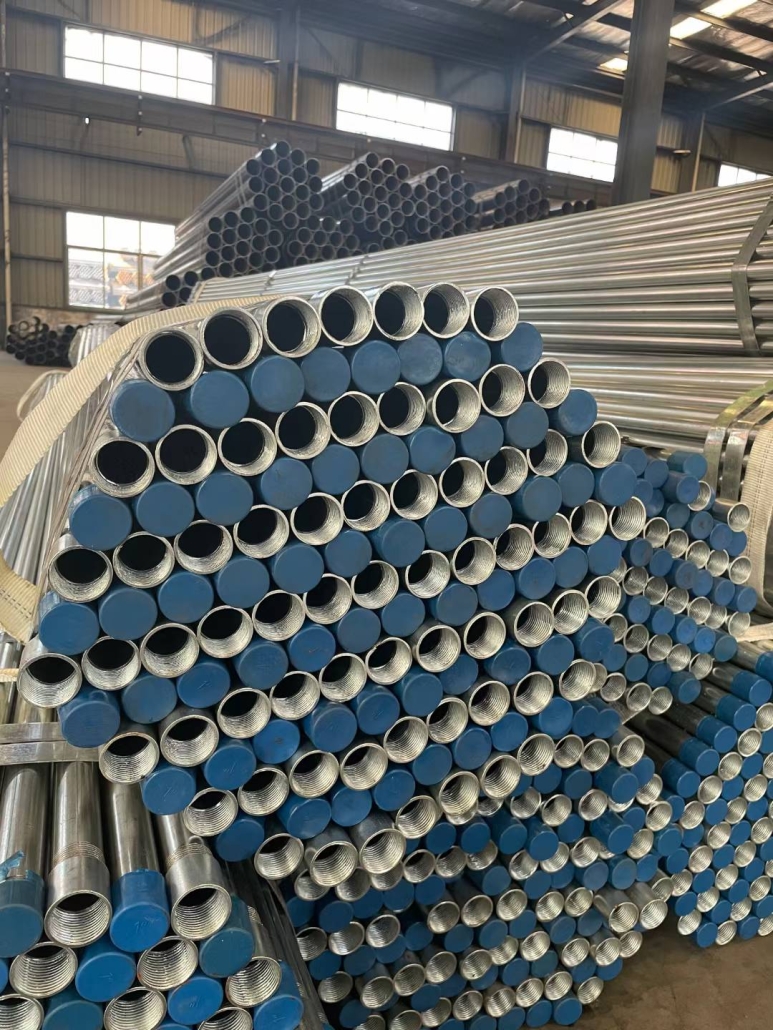
ASTM A795 Hot-Dip Galvanized Steel Pipe

ASTM A795 is a dedicated carbon steel pipe standard for the North American fire protection industry, specially formulated for building automatic fire suppression systems. It covers both welded and seamless pipes. Unlike general-purpose fluid galvanized pipes, all performance, process and testing requirements of this standard are formulated for the core working conditions of fire protection systems, including long-term static service, instantaneous pressure bearing and anti-rust blockage performance.

The pipe specifications range from NPS 1/2 to NPS 10 (DN15–DN250), with mainstream wall thicknesses of Sch10 light-duty thin-wall and Sch40 standard pressure wall. It includes two steel grades, Grade A and Grade B. Grade B is widely adopted in building fire protection engineering due to its excellent toughness and crack resistance.

Mechanical property and welding stability are the core advantages of A795 pipes. Grade B pipes, the commonly used engineering type, adopt mandatory post-weld stress relief heat treatment at 540℃, which completely eliminates residual stress and brittle martensite structure in the welding zone. This effectively resists fire water hammer impact and long-term pressure fluctuation, avoiding weld cracking and leakage failures. Featuring balanced mechanical properties and excellent plasticity, the pipes are applicable to various construction methods including grooved clamp connection, threaded connection and on-site welding to adapt to complex on-site installation requirements. The standard stipulates a minimum bending diameter of 12 times the pipe outer diameter for cold bending to prevent peeling and tearing of the galvanized layer. All finished pipes undergo full-scale hydrostatic testing or non-destructive flaw detection to eliminate hidden leakage defects. With a conventional working pressure of 1.6 MPa, the pipes provide sufficient safety margin for emergency fire service conditions.

Corrosion resistance and durability are the key application highlights of galvanized A795 pipes. The pipes adopt full-range internal and external hot-dip galvanizing technology, forming a dense metallurgical bonding layer with the steel substrate, which delivers far higher adhesion than ordinary sprayed anti-corrosion coatings. The standard specifies a minimum galvanized layer thickness of 65 μm. Adopting dual protection mechanisms of physical isolation and sacrificial anode protection of zinc coating, the pipes effectively resist corrosion caused by atmospheric moisture, condensation, outdoor salt spray and mild soil erosion. The service life exceeds 20 years in dry indoor environments and reaches 15 years for outdoor overhead and semi-buried fire pipe networks, fundamentally solving common engineering problems such as pipeline rusting, scaling, sprinkler blockage and pipe leakage. Nevertheless, the pipes have application limitations and are not suitable for environments with long-term hot water above 60℃, strong acid and alkali, or high corrosive media, as high temperature will accelerate the failure of the zinc layer.

A795 pipes feature high machining accuracy and superior construction adaptability. Manufactured by ERW high-frequency welding technology, the pipes have smooth welds inside and outside with low inner wall resistance and stable fluid delivery performance, which accurately matches the hydraulic calculation parameters of fire protection systems and ensures stable water output efficiency of sprinkler systems. Light-duty Sch10 pipes are lightweight and easy to install, suitable for floor branch pipes and ceiling pipe networks. Heavy-duty Sch40 pipes with enhanced pressure resistance are applied to pump house main pipes, building risers and outdoor main pipe networks. With exclusive compliance with fire protection specifications, A795 pipes outperform ordinary A53 galvanized pipes and are the preferred material for fire protection projects in overseas commercial and industrial buildings.

In terms of engineering applications, A795 galvanized pipes are mainly used for wet, dry and pre-action automatic sprinkler systems in various buildings, including office buildings, commercial complexes, industrial plants, data centers and cold storage buildings. They are especially applicable to humid and corrosion-prone pipe networks such as basements, underground garages and outdoor overhead pipelines. Additionally, they are widely used for building fire risers, outdoor fire hydrant pipe networks and water pump adapter supporting pipelines, and can be extended to deliver low-pressure compressed air and conventional water supply and drainage with neutral low-pressure media. Weld damaged areas shall be repaired with zinc-rich coating in a timely manner to restore the anti-corrosion layer and ensure the overall durability of the pipe network.

Core Performance Parameter Comparison Table of ASTM A795 Galvanized Steel Pipe

Performance ParameterUnitGrado AGrado B
Minimum Tensile StrengthMPa483414
Minimum Yield StrengthMPa241207
Elongation After Fracture%≥20≥25
Avg.Galvanized Layer Thickness μm≥65≥65
Conventional Working PressureMPa1.61.6
Core Process CharacteristicsConventional normalizing treatmentPost-weld stress relief heat treatment

Key Operating Points For Roll Grooving Of Plastic-Coated Steel Pipes

Roll grooving is a critical process for grooved connection of plastic-coated steel pipes, which directly determines the sealing performance and structural safety of piping systems. In accordance with CJ/T 156 Grooved Pipe Couplings and CJ/T 120 Water Supply Plastic-Coated Composite Steel Pipes, this article elaborates on the full-process professional operation requirements, with emphasis on coating protection and dimensional accuracy control.

Pre-operation Preparation

Equipment Selection and Inspection

Adopt dedicated roll grooving machines for plastic-coated steel pipes to avoid coating damage caused by ordinary grooving equipment. Inspect the matching degree between rolling wheels and pipe diameters, tightness of the hydraulic system and reliability of power grounding. Run the machine with no load for 30 seconds to confirm normal operation of all components and vent the oil pump to stabilize hydraulic pressure. Prepare standard groove depth gauges, vernier calipers (precision: 0.02 mm) as well as coating repair tools and materials.

Pipe Pre-treatment

Use mechanical cutting only; flame cutting is strictly prohibited. Ensure the pipe end is perpendicular to the pipe axis, with the perpendicularity deviation no more than 1 mm for DN ≤ 100 mm pipes and 1.5 mm for DN > 125 mm pipes. Remove all burrs and flashes on pipe ends, and chamfer sharp inner and outer edges to prevent scratches on rubber seals and internal/external coatings. Mark the grooving position (normally 10–15 mm away from the pipe end) as required by couplings, and keep weld seams downward and away from the grooving area. Thoroughly clean oil stains and dust on the outer pipe wall and ensure the surface is dry before grooving.

Core Grooving Operation & Parameter Control

Clamping and Positioning

Place the steel pipe horizontally on the machine support base, adjust the position to guarantee coaxial alignment between the pipe and rolling wheels, and keep the pipe perpendicular to the machine stop surface. Fasten the pipe firmly without looseness. Install an adjustable tail support to prevent bending and deformation of long pipe sections.

Progressive Roll Grooving (Key for Coating Protection)

Start the machine and press down the operating handle slowly and evenly. Control the feed rate within 0.2 mm per pipe revolution; rapid pressurization is forbidden. Continuously spray special water-based coolant during grooving to reduce friction heat and protect the plastic coating. After the limit nut is fully seated, let the pipe rotate for another 2–3 revolutions to form a uniform and smooth groove. Inspect the coating status throughout the process, and stop operation immediately once coating peeling or cracking is found.

Dimensional Tolerance Requirements

Nominal Diameter (DN, mm)Groove Depth (mm)Groove Width (mm)Allowable Deviation
652.1±0.213±0.5±0.2 mm
1002.2±0.215±0.5±0.2 mm
1502.5±0.218±0.5±0.2 mm
2002.8±0.220±0.5±0.2 mm

The groove depth shall never exceed 1/3 of the pipe wall thickness, so as to avoid weakening structural strength and penetrating the anti-corrosion coating.

Quality Inspection and Coating Repair

Dimensional Inspection

Measure the full-circle groove depth with a standard depth gauge to ensure uniform dimensions. Check groove width and distance from pipe end by vernier calipers, and all deviations shall comply with specifications. The groove bottom shall be flat without depressions, and groove walls shall be free of scratches and cracks.

Coating Integrity Inspection

Use high-intensity lighting to check for micro-cracks and peeling on the groove and adjacent coating areas. For damaged sections, conduct repair as follows: clean the damaged area, polish the surface with abrasive paper, apply special epoxy repair compound (coating thickness ≥ 0.5 mm), and allow natural curing for 24 hours. Coat pipe ends with sealant to prevent corrosive medium intrusion.

Visual Acceptance

No burrs or curling edges are allowed around grooves. The pipe roundness deviation shall not exceed 1% of the nominal diameter without obvious elliptical deformation. No indentations that may impair sealing performance are permitted.

Special Working Conditions and Safety Regulations

When the ambient temperature is below 5 ℃, the plastic coating becomes brittle. Reduce the grooving speed by 50%, and preheat the pipe (max. 40 ℃) to prevent coating cracking. Never pry the pipe with sharp tools; handle grooved pipes gently and avoid dropping. Keep the sealing surface free of oil to prevent accelerated aging of rubber gaskets.

Operators shall wear protective gloves and goggles. Ensure reliable grounding of the grooving machine; the hydraulic pressure shall not exceed the rated value of the equipment. Release pressure completely before dismounting pipes after shutdown.

Common Defects and Countermeasures

DefectRoot CauseSolutions
Coating peelingExcessive pressure or fast feed rateReduce operating pressure and control feed rate below 0.2 mm per revolution
Excessive groove depthMisadjusted limit nutRecalibrate the limit nut and monitor depth with a gauge in real time
Water leakage at jointUneven groove depth or rough groove surfaceRe-groove to ensure uniform depth and smooth surface
Pipe deformationUnstable support or large pipe diameterAdd auxiliary tail supports; conduct segmented grooving for large-diameter pipes

Technical Requirements for Welding of Galvanized Pipes

On-site welding construction of hot-dip galvanized steel pipes, It focuses on controlling zero weld defects, qualified structural strength and complete post-welding anti-corrosion performance, so as to eliminate quality problems such as pores and cracks caused by zinc layer vaporization.

Pre-welding Preparation Requirements

Pipe Inspection: Check the specifications, wall thickness and material of galvanized pipes before construction to ensure compliance with design requirements. The pipes shall be free from deformation, damage and severe corrosion with uniform and intact galvanized layers. Unqualified pipes are prohibited from welding.

Groove Machining: For pipes with wall thickness ≥ 3mm, V-shaped grooves are required with a groove angle of 55°-65° and a root face of 1-1.5mm. The cutting surface shall be smooth without burrs and curling. Thin-walled pipes (wall thickness < 3mm) can be directly butt-welded without grooving.

Complete Zinc Removal (Core Procedure): Grind the inner and outer surfaces 20-50mm on both sides of the groove thoroughly with angle grinders and steel wire brushes to completely remove galvanized layers, oxide scales, oil stains and zinc tumors until the metallic luster is fully exposed. Residual zinc layers are strictly forbidden to avoid dense pores and slag inclusions in welds.

Pipe Alignment Requirements: The misalignment of pipe butt joints shall not exceed 10% of the pipe wall thickness and shall not exceed 2mm at maximum. The butt gap is controlled within 2-3mm with straight and offset-free alignment.

Welding Material Preparation: Adopt E43 series low-carbon steel welding rods or matching welding wires. Welding rods shall be dried and insulated in accordance with specifications before use. Moist welding rods are prohibited to ensure qualified weld fusion quality.

Welding Process Requirements

Welding Parameter Control: Adopt shielded metal arc welding (SMAW) or CO₂ gas metal arc welding (GMAW). Follow the principles of low current, short arc and fast welding speed. The welding current shall be reduced by 10%-15% compared with that for ordinary carbon steel pipes to reduce high-temperature vaporization of zinc layers and shorten the residence time of the molten pool.

Welding Operation Specifications: Adopt straight-line slight weaving welding. Prolonged fixed-point arcing and large-amplitude swinging are forbidden to prevent pipe wall burn-through and weld overheating. For multi-layer and multi-pass welding, completely remove welding slag and spatter after each pass and confirm no defects before welding the next layer.

Construction Environment Requirements: Wind shielding facilities shall be erected when the on-site wind speed exceeds 2m/s. Welding is prohibited in rainy, snowy and humid conditions. Preheat the welding area when the ambient temperature is lower than 0℃ to prevent weld cold cracks.

Safety Protection: Keep full ventilation during welding. Operators shall wear protective equipment to prevent inhalation of harmful zinc oxide welding fume.

Post-welding Treatment and Anti-corrosion Requirements

Weld Cleaning: After welding, thoroughly remove welding slag, spatter and burrs on the weld surface, and polish the weld and surrounding areas to keep the surface flat and smooth.

Mandatory Anti-corrosion Repair: The galvanized layer around the welding area will be burned out by high welding temperature, so special anti-corrosion treatment is mandatory. Polish off welding oxide layers first, then apply special galvanized repair coatings such as cold zinc spray and zinc-rich primer. The thickness of the repaired coating shall not be less than that of the original galvanized layer. Ordinary paint only is prohibited to ensure consistent overall anti-corrosion performance of the pipeline.

Pressure Test: Conduct hydrostatic test or air tightness test on pressure-bearing galvanized pipes in accordance with specifications to verify weld tightness. Qualified standards include no leakage and no pressure drop.

Weld Quality Acceptance Standards

Visual Quality: Welds shall be uniform in forming and width without cracks, pores, slag inclusions, burn-through, incomplete fusion and other defects. The undercut depth shall be ≤ 0.5mm without continuous excessive undercut.

Non-destructive Testing: Conduct radiographic testing (RT) or ultrasonic testing (UT) in specified proportion for key parts such as process and pressure pipelines, and the results shall meet the qualified specification standards.

Overall Requirements: The welds shall reach the standard structural strength without hidden defects. The post-welding anti-corrosion repair shall be complete to ensure the pipeline meets the service working conditions.

Phenolic Epoxy Painted Steel Pipes

Phenolic epoxy painted steel pipes are high-performance anti-corrosion pipes that form a dense protective layer by uniformly applying phenolic epoxy paint on the surface of steel pipes and curing it. They combine the strong adhesion and high corrosion resistance of epoxy resin with the high temperature resistance and solvent resistance of phenolic resin, making them the preferred pipe type for corrosive working conditions in the industrial field.

Core Characteristics

The core advantages of phenolic epoxy painted steel pipes stem from the composite properties of the paint, which balance protectiveness and practicality and avoid performance loss caused by excessive coating. The details are as follows:

Excellent Anti-corrosion Performance: The paint has a high crosslinking density, forming a dense protective barrier that can effectively block the penetration of corrosive media such as water, oxygen and chloride ions. It has good tolerance to weak acids, weak alkalis, organic solvents, crude oil, industrial wastewater, etc., and is suitable for most conventional corrosive working conditions. Long-term protection can be achieved without excessive coating thickness.

Adaptable to Medium and High Temperature Working Conditions: It can withstand a long-term temperature of 120-150℃ and a short-term temperature of 180℃, which is better than ordinary epoxy paint (≤100℃). It is suitable for medium and high temperature medium transportation. When the coating thickness is reasonable, cracking and peeling at high temperatures can be avoided.

Excellent Mechanical Properties: The coating adhesion is ≥4MPa (pull-off method), the flexibility can reach 1mm bending without cracks, the impact strength is ≥4J, and the wear resistance is outstanding. It can withstand slight mechanical stress during pipe installation and transportation. Excessively thick coating will instead reduce flexibility and increase the risk of cracking.

Construction and Environmental Adaptability: It is divided into solvent-based and solvent-free types. The solvent-free type has low VOC emissions and is suitable for construction in confined spaces. It can be cured at room temperature or medium temperature (60-80℃), and complete curing takes 7 days. After curing, the coating hardness is ≥2H (pencil hardness), which is convenient for construction and does not require excessive coating thickness.

Strong Functional Adaptability: It has good electrical insulation (can be used with cathodic protection) and microbial corrosion resistance (suitable for sewage treatment). The food-grade formula can meet the hygiene requirements of drinking water pipes (complying with GB/T 17219 standard), and the corresponding functions can be achieved when the coating thickness meets the standard.

Standard System

The production, paint selection, construction and acceptance of phenolic epoxy painted steel pipes must strictly follow national, industrial and international standards. Among them, the requirements for coating thickness are clear to eliminate excessive coating specifications. The core standards are as follows:

Standard CategoryStandard NumberCore Content (including coating thickness requirements)
Paint StandardHG/T 3656-99Technical requirements for epoxy phenolic anti-corrosion primer, clarifying the control range of primer dry film thickness and eliminating excessive thickness
Paint StandardSH 3022-99Technical requirements for epoxy phenolic anti-corrosion topcoat, specifying the matching thickness of topcoat and primer to avoid excessive superposition
Pipe StandardGB/T 28897-2021Steel-plastic composite pipes and fittings for fluid transportation, clarifying the upper limit of dry film thickness of phenolic epoxy coating and standardizing thickness deviation
Construction and AcceptanceGB 50727-2011Construction quality acceptance of anti-corrosion projects for industrial equipment and pipelines, clarifying the coating thickness detection method and qualification judgment
International StandardNACE RP0394Fusion-bonded epoxy coating standard, specifying the reasonable thickness range and uniformity requirements of phenolic epoxy coating

Core technical indicators (related to coating thickness): Adhesion ≥4MPa (GB/T 5210 pull-off method), salt spray resistance 720h without blistering and peeling (GB/T 10125), coating thickness uniformity deviation ≤±10μm. Excessively thick coating will lead to non-compliance of these indicators.

Application Scenarios

The application scenarios of phenolic epoxy painted steel pipes focus on medium corrosion and medium-high temperature working conditions, and the protection requirements can be met without excessive coating thickness. The core application fields are as follows:

Petrochemical Industry: Ordinary crude oil transportation pipelines, normal temperature/medium temperature pipelines in refineries, and chemical medium (non-strong corrosion) transportation pipelines. The medium corrosion can be resisted when the coating thickness meets the standard, and no thickening is needed.

Power Industry: Auxiliary pipelines for desulfurization and denitrification in thermal power plants, turbine cooling water pipelines, and normal temperature flue gas pipelines. They can resist corrosion from sulfur-containing wastewater and ordinary flue gas, and reasonable thickness can avoid high-temperature cracking.

Water Treatment Field: Aeration pipelines in sewage treatment plants, municipal sewage transportation pipelines, and ordinary tap water pipelines. They are resistant to microbial and high-salt wastewater corrosion, and the food-grade coating can meet hygiene requirements when the thickness meets the standard.

General Industrial Field: Supporting pipelines for machinery manufacturing, plant ventilation pipelines, and ordinary underground buried pipelines (used with cathodic protection). They are suitable for conventional corrosive working conditions and do not require excessive coating thickness.

Light Industry Field: Material transportation pipelines in food and beverage processing plants. Food-grade phenolic epoxy coating is adopted, and the thickness meeting the standard can ensure hygiene and safety. Excessive thickness will instead increase costs without additional benefits.

Coating Thickness Control

Coating thickness is the key to determining the anti-corrosion effect and service life of phenolic epoxy painted steel pipes. Excessive thickness will lead to coating cracking, decreased adhesion and increased costs. The principle of “meeting standards on demand and uniform control” must be strictly followed. The specific requirements are as follows:

Standard Reasonable Thickness Requirements (Core Correction)

Application ScenarioCoating TypeDry Film Thickness (DFT)Executive Standard
Ordinary transportation pipelines (water, ordinary media)Single-layer phenolic epoxy paint80-120μmGB/T 28897-2021
Chemical medium corrosion pipelines (weak acid and weak alkali)Double-layer (primer + topcoat)150-200μm (primer 60-80μm, topcoat 90-120μm)GB 50727-2011
Drinking water pipelines (food-grade)Double-layer food-grade coatingInner wall 120-150μm, outer wall 100-120μmHG/T 4337-2012
Underground buried pipelines (used with cathodic protection)Fusion-bonded phenolic epoxy180-220μmNACE RP0394
Medium and high temperature pipelines (120-150℃)High-temperature resistant phenolic epoxy150-200μmSH 3022-99

Thickness Deviation and Uniformity Requirements

Follow the “two 90% principles”: more than 90% of the measuring points have thickness meeting the design value, and the remaining measuring points have thickness not less than 90% of the design value; the maximum thickness shall not exceed 120% of the design value (eliminating excessive thickness), and the minimum thickness shall not be less than 80% of the design value; the pre-coating thickness of special parts such as corners and welds shall be consistent with the main body to avoid local excessive or insufficient thickness.

Detection Method

Non-destructive testing is carried out using a magnetic thickness gauge (for ferromagnetic substrates), with 5-10 points tested per 1-2m², in accordance with GB/T 13452.2; the arbitration method adopts the cross-section method to verify the actual thickness and uniformity of the coating; during construction, the thickness shall be tested after each coat of coating is applied, and the next construction can be carried out only after meeting the standard to avoid excessive superposition.

The core advantage of phenolic epoxy painted steel pipes is “precise protection and adaptation to working conditions”, which can achieve 10-15 years of long-term anti-corrosion without excessive coating thickness. The key to its performance is to strictly control the coating thickness within the reasonable range of 80-220μm, select the appropriate coating type and thickness according to the application scenario, and at the same time follow the relevant standard requirements to ensure that the coating uniformity and adhesion meet the standards. Excessively thickening the coating will not only increase production costs, but also reduce the coating flexibility, easily leading to problems such as cracking and peeling, which will instead affect the protection effect.

Guide For Selection Of Polyurethane Paint For Steel Pipes

Polyurethane paint is a mainstream topcoat system for steel pipe anti-corrosion coating due to its excellent weather resistance, chemical corrosion resistance, high adhesion and mechanical properties. Its selection must strictly follow the core principles of “environment adaptation, performance matching, system compatibility, and construction feasibility”, and combine with the steel pipe’s service environment, corrosion level, operating conditions and construction conditions to select scientifically to ensure anti-corrosion life and structural safety.

The core premise of selection is to clarify the service environment and exposure state of the steel pipe: For outdoor overhead, exposed municipal pipe networks, and steel pipes in coastal and chemical industrial areas that are long-term exposed to ultraviolet radiation, rain and snow, and salt spray, aliphatic polyurethane paint should be preferred. With HDI and IPDI as curing agents, it has outstanding light and color retention, no yellowing or chalking, and can ensure 5-10 years of outdoor anti-corrosion life. For indoor pipe trenches, underground direct-buried, and concealed steel pipes in pipe galleries without ultraviolet radiation, aromatic polyurethane paint can be selected, which has excellent acid and alkali resistance, oil resistance, lower cost, and avoids performance redundancy. For steel pipes transporting drinking water, food-grade polyurethane paint that meets the “Hygienic Safety Evaluation Specification for Drinking Water Transmission and Distribution Equipment and Protective Materials” must be selected to prevent the precipitation of harmful substances.

Secondly, it is necessary to match the corrosion level and service temperature: For steel pipes with mild corrosion in conventional atmospheric environments, two-component acrylic polyurethane topcoat can meet the requirements; for steel pipes with moderate to severe corrosion in industrial pollution areas, coastal high salt spray, and chemical medium contact, high-solid-content polyurethane heavy anti-corrosion paint should be selected to improve the film density and medium resistance. The conventional applicable temperature of polyurethane paint is -40℃~120℃. For steel pipes transporting high-temperature media, high-temperature resistant modified products should be selected, and polyurethane system is not recommended when the temperature exceeds 150℃.

The coating supporting system is the key to selection. Polyurethane paint is mostly used as a topcoat and needs to be compatible with primers and intermediate coats (it is strictly prohibited to match with inferior alkyd primers to avoid interlayer peeling). At the same time, it is necessary to control technical indicators and construction adaptability. The film adhesion must reach Grade 1 of GB/T 5210 standard, the salt spray resistance ≥ 500h, the construction environment must be controlled at a temperature of 5-35℃ and a relative humidity ≤ 85%, and the steel pipe surface treatment must reach sandblasting Sa2.5 level or power tool St3 level.

Type of Polyurethane PaintCore CharacteristicsSuitable Steel Pipe Working ConditionsKey Technical PointsExpected Service Life
Aliphatic Polyurethane (HDI Type)Excellent weather resistance, light and color retention, UV resistance, no yellowing, and strong adhesionOutdoor overhead steel pipes, exposed municipal pipe networks, exposed steel pipes in coastal/chemical industrial areas, decorative steel pipesMust be matched with epoxy primer, construction temperature 5-35℃, surface treatment reaches Sa2.5 level5-10 years
Aromatic PolyurethaneGood chemical resistance, high hardness, low cost, poor weather resistance (prone to chalking and yellowing)Indoor steel pipes, underground direct-buried steel pipes, concealed steel pipes in pipe galleries, inner walls of non-exposed storage tanksCan be matched with epoxy primer, avoid outdoor ultraviolet radiation, and need 72h curing after construction5-8 years
Acrylic PolyurethaneBalances weather resistance and constructability, fast drying, high gloss, and moderate cost performanceSteel pipes in general outdoor environments, exposed parts of municipal pipe networks, traffic facility steel pipesUsed in two-component ratio, completed construction within the service life, salt spray resistance ≥ 300h4-6 years
Solvent-Free PolyurethaneNo VOC emissions, uniform film thickness, strong adhesion, impact resistance, and good impermeabilityInner and outer walls of buried steel pipes, pipes transporting crude oil/finished oil/waterCan be used alone as primer and topcoat, total dry film thickness ≥ 200μm, avoid construction in narrow spaces10-20 years
Food-Grade PolyurethaneNon-toxic and environmentally friendly, no harmful substances precipitated, meets hygiene standards, and has good water resistanceDrinking water transport steel pipes, supporting steel pipes in food processing fieldsFood-grade certification report is required, no residue in surface treatment, and thorough curing after construction6-8 years

The selection of polyurethane paint for steel pipes should focus on working conditions, give priority to matching the exposure state and corrosion level, scientifically design the supporting system, and control surface treatment and construction details to achieve the optimal balance between anti-corrosion performance and economy.

Degreasing the Surface of Galvanized Steel Pipes

Oil contamination on the surface of galvanized steel pipes mainly derives from antirust oil, drawing oil, cutting oil generated during rolling, cold drawing, storage and transportation, as well as oil-dust mixtures. The core principles of degreasing are no damage to the zinc coating, no residue, and compatibility with subsequent processing. A combined physical and chemical process shall be selected based on the severity of oil contamination and batch size. The following is the industrial-standard degreasing solution.

Physical degreasing is applicable for light oil contamination and on-site emergency treatment, serving as a basic pretreatment method. Manual wiping uses dust-free cloths or sponges dipped in clean water or neutral detergent to wipe the pipe surface section by section. It features simple operation and extremely low cost, and can remove floating oil, but is limited in cleaning inner walls and threaded dead corners, making it suitable for small batches of scattered pipe fittings. High-pressure water washing adopts normal-temperature or 40–50°C warm water with low-pressure spraying, with water pressure controlled at 5–10 MPa to avoid erosion of the zinc coating by high pressure. It can quickly remove surface dust and light oil films, with higher efficiency than manual wiping, and is suitable for outer surface pretreatment of bundled pipes. Adsorption degreasing uses oil-absorbent felts and non-woven fabrics to attach to the pipe surface and adsorb free oil on the surface. It involves no water or chemicals throughout the process, and is suitable for precision pipe fittings prohibited from contacting water, but only effective for floating oil and incapable of handling viscous oil. Hot-air drying and degreasing volatilizes light oil components through baking with 60–80°C hot air, and can reduce residues in combination with purging, mostly used for drying pretreatment after degreasing.

Chemical degreasing is the mainstream solution for medium and heavy oil contamination. Strong acids, strong alkalis and strong alkaline degreasers must be strictly avoided to prevent corrosion, whitening and peeling of the zinc coating. Cleaning with neutral degreaser is the preferred process: a water-based neutral degreaser with a pH value of 7–8 is mixed with water at a ratio of 5%–10%, and treated by immersion for 3–10 minutes or cyclic spraying at normal temperature to 50°C. It can completely decompose heavy oil contamination such as drawing oil and antirust oil. After degreasing, the pipes are fully rinsed with clean water without chemical residues. It is suitable for mass production on assembly lines, protects the zinc coating and meets environmental protection standards. Solvent degreasing uses environment-friendly hydrocarbon solvents and industrial gasoline to quickly dissolve oil contamination by wiping or short-time immersion, with fast drying and no water marks. It is suitable for small precision pipe fittings, but the solvents are flammable, so operation must be carried out in a ventilated and fireproof environment, and large-area immersion is prohibited.

Post-degreasing treatment is a critical step. Pipe fittings after rinsing shall be dried timely with hot air or naturally to avoid oxidation and whitening of the zinc coating caused by residual water marks. The use of strong acids such as hydrochloric acid and sulfuric acid, strong alkali cleaners such as high-concentration sodium hydroxide, and strong mechanical degreasing methods such as steel wire brushes, sand blasting and shot blasting is strictly prohibited to prevent damage to the zinc coating.

In actual production, physical wiping plus high-pressure washing is sufficient for light oil contamination. For medium and heavy oil contamination, the combined process of neutral degreaser spraying/immersion + clean water rinsing + hot-air drying is preferred. This solution achieves thorough degreasing, intact protection of the zinc coating and stable efficiency, making it the standard degreasing process before processing, coating and welding of galvanized steel pipes.